Brain Stroke in Young Adults: Why Cases Are Increasing
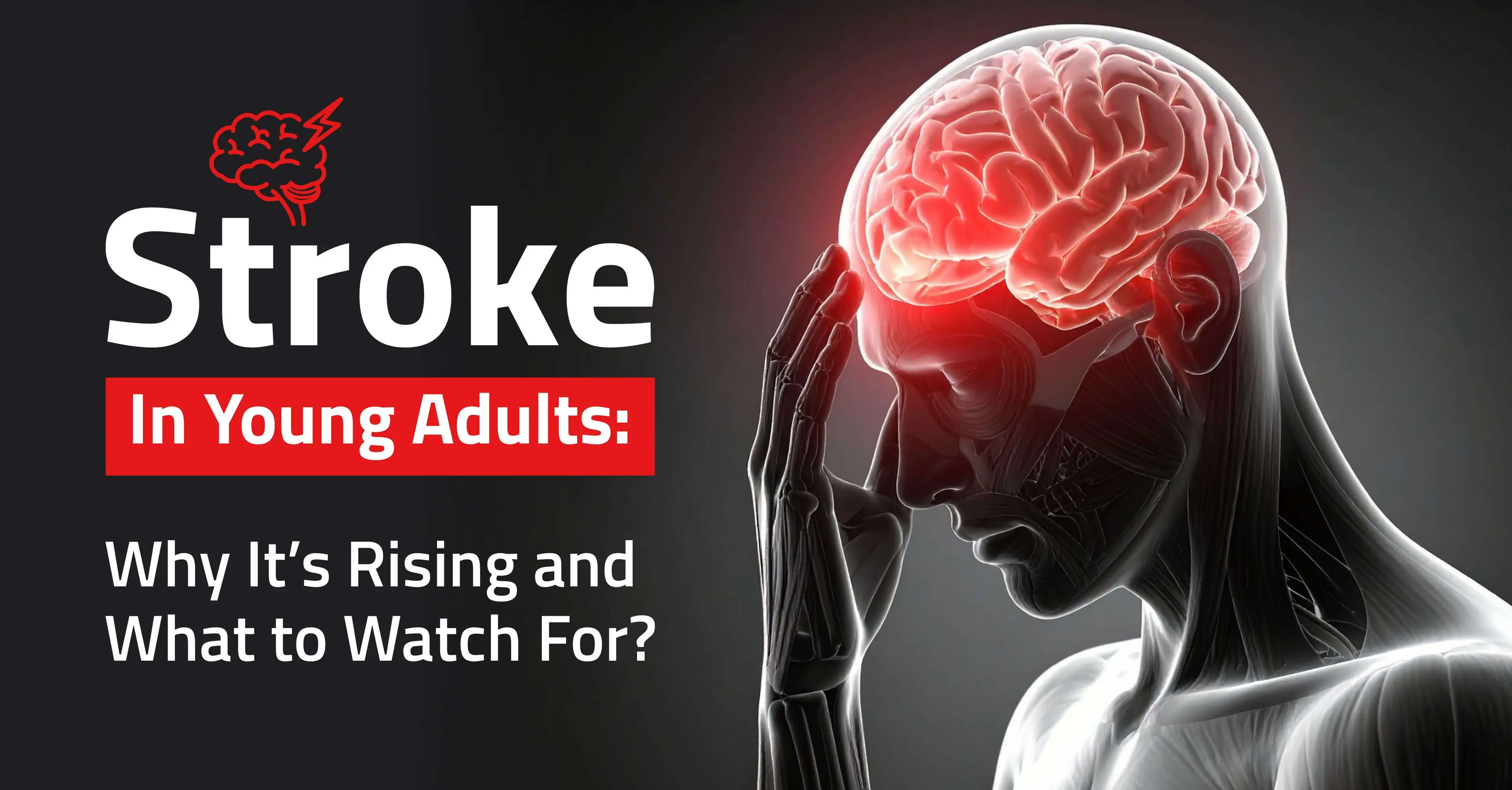
Brain stroke is no longer limited to older adults. In recent years, doctors have seen a significant rise in stroke cases among young adults due to unhealthy lifestyles, stress, smoking, obesity, hypertension, diabetes, and lack of physical activity.
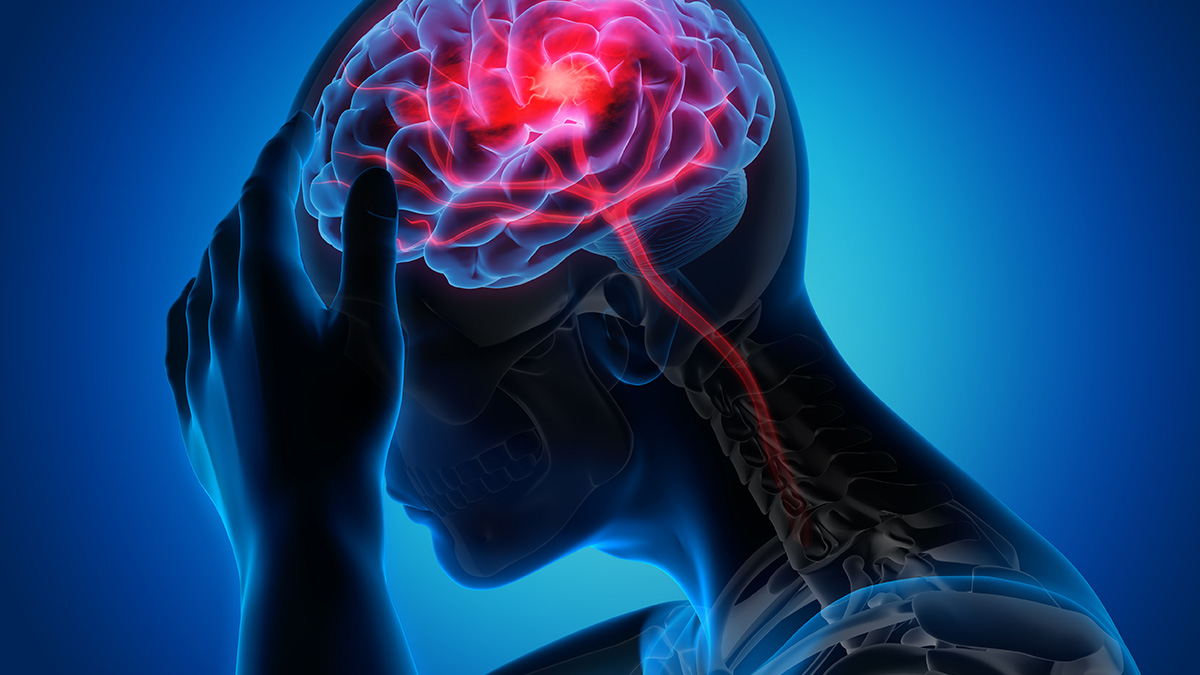
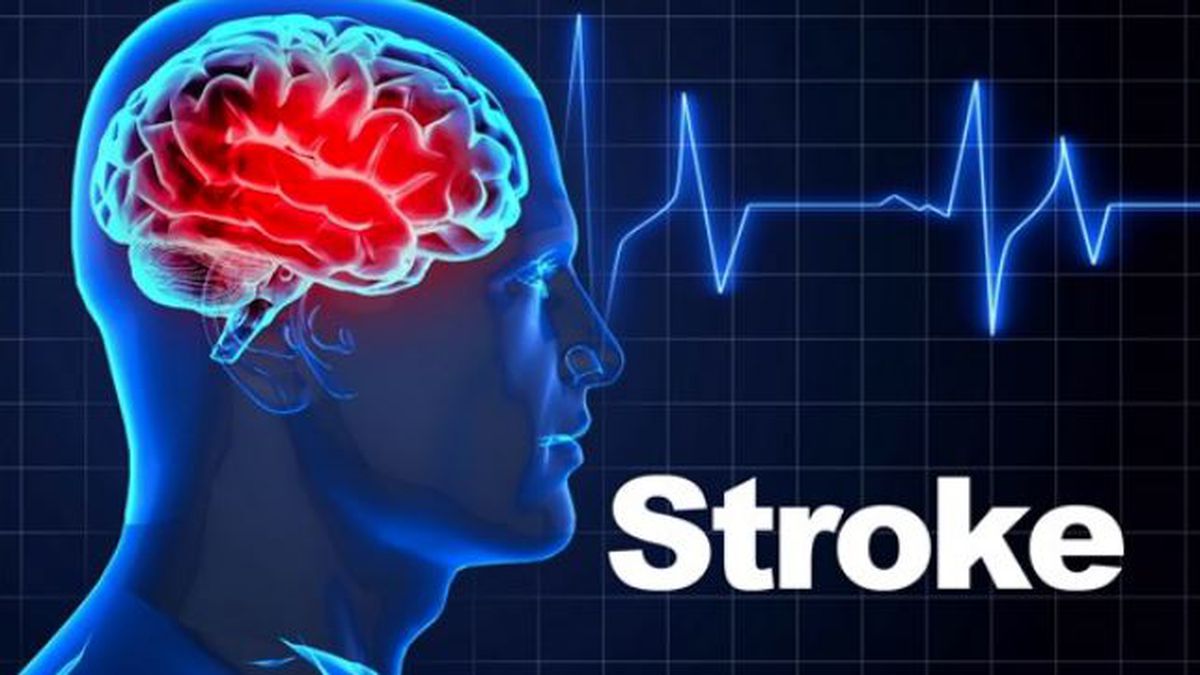
A stroke occurs when blood flow to the brain is blocked or when a blood vessel bursts, leading to damage of brain cells. Early diagnosis and immediate treatment are critical to preventing permanent disability.
Common Stroke Symptoms
- Sudden weakness or numbness on one side
- Difficulty speaking or understanding speech
- Severe headache
- Facial drooping
- Loss of balance or dizziness
- Vision problems
The Role of Neurointervention in Stroke Treatment
Advanced neurointervention procedures have transformed modern stroke care
Mechanical Thrombectomy
A minimally invasive procedure used to remove blood clots from
blocked brain arteries and quickly restore blood flow.
Endovascular Coiling
Used to treat brain aneurysms by preventing further bleeding inside
the brain.
Stenting & Angioplasty
Helps open narrowed brain blood vessels and improve circulation to
the brain.
Intra-arterial Thrombolysis
Delivers clot-dissolving medication directly into the blocked artery
for faster treatment.
These minimally invasive procedures are highly effective when performed within the golden hours after stroke symptoms begin.
Benefits of Neurointerventional Stroke Treatment
- Minimally invasive approach
- Faster recovery time
- Reduced risk of long-term disability
- Improved survival rates
- Shorter hospital stay
- Better neurological outcomes
How to Reduce Stroke Risk
- Control blood pressure and diabetes
- Exercise regularly
- Avoid smoking and excessive alcohol
- Maintain a healthy diet
- Manage stress levels
- Get regular health check-ups
Conclusion
The increasing incidence of brain stroke in young adults is a serious health concern driven by lifestyle changes, stress, and rising vascular risk factors. Awareness, early recognition of symptoms, and access to advanced neurointervention treatments are essential in reducing disability and saving lives.
Modern neurointerventional procedures such as mechanical thrombectomy and endovascular therapy are transforming stroke care by offering faster, safer, and more effective treatment options.
Early action can protect the brain — because in stroke care, every minute matters.